
- September 25, 2026
- Posted by: bbe_2021
- Category: blog
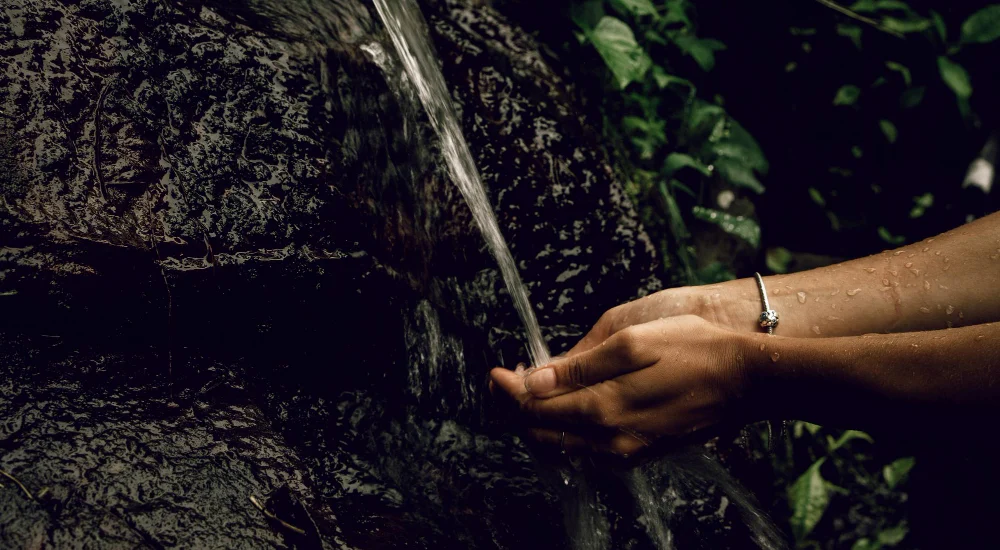
If you are interested in where drinking water comes from, it is mainly obtained from natural sources, underground artesian wells, mountain springs, rivers, and lakes. Before it reaches our tap, it goes through a complex path of filtration, laboratory testing, and processing, so that it is completely safe for human health.
Order Your Analysis With Us
Accurate Results · Certified Laboratory
Where drinking water comes from
The answer to the question of where drinking water comes from should be sought in nature’s global hydrological cycle. Only a small part of the water resources existing on Earth is fresh and suitable for drinking. The main sources from which we obtain the liquid essential for life are divided into two large categories: surface waters and underground waters.
Surface waters: This includes lakes, rivers, and reservoirs. Most large cities use precisely surface waters, because it is easily available in large volumes. However, surface waters are more prone to contamination.
Underground waters: This is water that is accumulated in the depths of the earth, in the rocks and soil layers (in aquifers). Underground waters, as a rule, are cleaner, because the soil and rocks play the role of a natural filter.
When we ask the question of where drinking water comes from, we must always remember that the starting point is nature. That is precisely why what condition the environment is in on the territory from which the water is extracted has the greatest importance.
Interesting information about drinking water
Before we move directly to the complex stages of water processing, it is important to know basic and in-depth information about drinking water. We often think that water is only a simple chemical compound – H2O, yet the reality is far more interesting. Ideal, natural drinking water represents a living, complex structure that is rich in the micro and macro elements essential for our health. Among them are such most important minerals as: calcium, magnesium, potassium, and sodium.
These minerals are not simply beneficial, but vitally important for the correct functioning of our body and for maintaining energy:
Calcium: determines the strength of bones and teeth, and at the same time actively participates in the process of blood clotting and in cell renewal.
Magnesium: contributes to the proper functioning of the nervous system and muscles. It protects the body from stress, helps us with relaxation and maintaining healthy sleep.
Potassium: regulates arterial pressure and heart rhythm, determines the unimpeded supply of oxygen in the cells.
Sodium: (which is also found abundantly in natural water) plays a most important role in maintaining the balance of water and salts in the body, which protects us from dehydration.
Detailed and comprehensive information about drinking water helps us realize one main truth: in the filtration process, water should not lose its natural richness. Water excessively filtered with today’s technologies, so-called distilled (demineralized) water, is, it is true, 100% clean of impurities, but it completely loses its beneficial properties. Moreover, the long-term consumption of such a liquid may even cause the necessary minerals to be driven out of the body.
If you are interested in even more information about drinking water, you should definitely familiarize yourself with reliable scientific sources, carefully read the label of the bottle/container, and request the laboratory analysis data provided by the manufacturer.
What path does drinking water travel to the tap?
When we already know where drinking water comes from, the stages of its journey are interesting. Water does not get into our glass directly from a natural source. Drinking water goes through a strict process of processing:
Collection and primary screening: The water is pumped from the reservoirs and passes through large screens, so that leaves, branches, and other large waste are removed.
Coagulation and flocculation: Special substances are added to the water, which attract microscopic dirt and impurities. They combine and create larger particles.
Sedimentation: These large particles become heavy and settle at the bottom of the reservoir, while the clean water remains on top.
Filtration: The clean water passes through sand, gravel, and carbon filters, which retain the smallest particles and bacteria.
Disinfection: This is the final stage, where the drinking water is treated with chlorine, ozone, or ultraviolet rays, so that all remaining pathogenic microorganisms are destroyed.
After passing through this complex path, the water is stored in clean reservoirs and is distributed to our homes through the network of pipes. However, in many cases, because of old pipes, tap water loses its original quality.
Why is drinking water analysis necessary?
To be sure that the liquid we obtain is truly safe, drinking water analysis is very important. It is impossible to determine the water’s quality by visual inspection or taste alone. Drinking water analysis in laboratory conditions gives us a precise picture of what it contains.
What does drinking water analysis check?
Microbiological indicators: The presence of E. coli, coliforms, and other dangerous bacteria is checked.
Chemical composition: Drinking water analysis determines the level of heavy metals (lead, arsenic, mercury), nitrates, and pesticides.
Physical parameters: The water’s acidity (pH), turbidity, color, and smell are assessed.
If you are interested in where drinking water really comes from and how protected it is, always request the appropriate certificates. A manufacturer that cares about the customer regularly carries out testing. For reliable companies, drinking water analysis is not simply a formality, it is a responsibility before each customer’s health.
Drinking water and a clean environment: the interconnection
When we talk about where drinking water comes from, we cannot bypass the topic of ecology. Drinking water and a clean environment are inseparable concepts. It is impossible for us to have healthy, mineral-rich water if our environment is contaminated.
Deforestation, the incorrect management of industrial waste, the excessive use of chemicals in agriculture – all of this is directly reflected in the water’s quality. Drinking water and a clean environment are directly connected to our future. Underground waters, which can be the best drinking water, are fed by rain and snow precipitation. If the air and soil are contaminated, these toxins will certainly reach the aquifers.
Therefore, companies that produce high-quality water devote special attention to the source’s location. They know well that drinking water and a clean environment are the formula for creating the best product. Water extracted from ecologically clean zones, alpine meadows, and protected territories is always distinguished by a special taste.
How to choose the best drinking water?
Now, when you already know exactly where drinking water comes from, what stages it goes through, and why ecology is important, you are already ready to make the right choice. In the process of choosing, pay attention to the following details:
Source of origin: Find out where the drinking water comes from – is it filtered tap water or from a natural mountain spring?
Mineral composition: Look for information about the drinking water on the label. Make sure that the vital minerals are maintained in it.
Laboratory testing: Ask how often drinking water analysis is done and whether it meets international standards.
Packaging and transportation: Not only the product itself is important, but also how it is stored and delivered to you.
We offer natural, clean, and healthy water that complies with the highest standards, which is extracted from an ecologically clean environment and goes through strict quality control.
Make a sensible choice today. If you want to obtain the best product for your home or office, receive additional consultation, and familiarize yourself with our offers, call us at 568 10 30 87.
Our team is ready to help you in making the ideal decision!