
- May 19, 2026
- Posted by: bbe_2021
- Category: blog
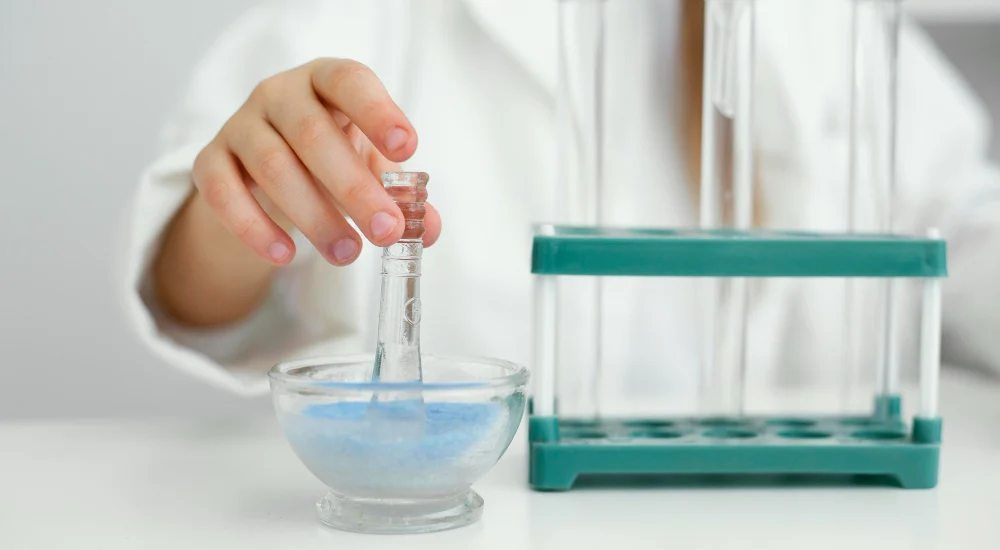
Water analysis is a specific laboratory study that examines the physical, chemical, and microbiological parameters of water. This process helps us accurately determine how safe water is for everyday use and whether it meets established sanitary standards.
Order Your Water Analysis With Us
Accurate Results · Certified Laboratory
Today, as ecological problems are becoming increasingly severe, access to clean resources is vitally important. Intensive air pollution has a major impact on the environment and naturally affects our water directly. Therefore, timely water analysis is an urgent necessity for every household and business. When we talk about quality, we must understand that heavy air pollution causes toxic substances to transfer from the atmosphere into the soil and groundwater. If you now want to make the best decision to protect your health, this blog will help you. We will explain in detail where water analysis is done, what the specifics of this process are, why drinking water analysis is essential, and what a comprehensive water quality analysis includes.
Environmental Factors: How Air Pollution Affects Water and Why We Need Water Analysis
Many people fail to realize that air pollution and water quality are closely interconnected. Emissions from industrial facilities, vehicle exhaust gases, and other pollutants accumulate in the atmosphere. As a result, air pollution causes the formation of acid rain, which directly contaminates open reservoirs and underground reservoirs. This is precisely why professional water analysis is the only way to find out what composition of liquid we receive on a daily basis.
Environmental protection experts constantly warn us that air pollution does not remain only in the air — heavy metals and chemical compounds eventually settle on the ground. Against this background, in-depth water quality analysis gives us the opportunity to discover hidden threats that are invisible to the naked eye. If you live near an urban or industrial zone where air pollution is high, regular drinking water analysis becomes even more important. Many of us are interested in where water analysis is done in a way that delivers maximally accurate answers. Making this decision requires correctly selecting an accredited laboratory, which we will discuss in detail below.
Drinking Water Analysis — Standards and Norms
The largest part of the human body consists of water, so a healthy drinking water analysis is the foundation of good health. We use water for drinking, cooking, and hygiene. When we drink tap or well water, it is essential to know that it is completely free of pathogenic bacteria and harmful impurities. Specific water analysis shows whether it complies with World Health Organization (WHO) and national standards.
Since global air pollution increases the concentration of nitrates and sulfates in water, drinking water analysis pays particular attention to precisely these parameters. If you have doubts about the quality of your tap water or use an individual well, drinking water analysis will help you find out exactly and have peace of mind. The key is to make sure the laboratory strictly follows international protocols. A comprehensive water quality analysis ensures that your family is protected from any type of intoxication.
Water Quality Analysis — What Parameters Are Examined in Detail?
What does water quality analysis actually include? Many people think it is one simple, quick test, but in reality it is a multi-stage, complex approach. In modern laboratories, the liquid is examined in three main, fundamental directions. This gives us a complete picture of how safe the resource is that we consume every day:
Assessment of physical parameters
This is the primary diagnostics, where the color, odor, taste, temperature, and turbidity of the water are checked. Even water that looks clean at first glance may contain invisible impurities. Since air pollution often causes dust, soot, and various microparticles present in the atmosphere to enter water bodies as sediment, even a slight increase in turbidity is an alarming sign. An unfamiliar, specific odor or metallic taste is the first sign that an in-depth water analysis must be conducted without delay.
Chemical parameters research
This is the most extensive and very important part that water quality analysis covers. Chemical composition directly affects our internal organs. At this stage, the following are examined in detail:
pH level and acidity: Shows whether the water is excessively acidic or alkaline. Deviation from the norm can damage both the body and household appliances and pipes.
Water hardness: Determined by the concentration of calcium and magnesium ions. Hard water dries out the skin, damages hair, and causes scale buildup.
Heavy metals and toxins: The content of lead, arsenic, iron, manganese, and copper is checked. This is precisely where the catastrophic damage that industrial air pollution inflicts on the environment is reflected, as toxic emissions and heavy metals ultimately settle in the soil and groundwater.
Nitrates and nitrites: These primarily enter water in the form of fertilizer and agrochemical residues, which is particularly dangerous for children and pregnant women.
Microbiological safety control
Any drinking water analysis is obligatorily and strictly tested for the presence of pathogenic microorganisms, coliform bacteria, and E. coli. These bacteria are a direct indicator that fecal matter, sewage wastewater, or other dangerous organic waste has entered the water. Their presence in drinking water is categorically unacceptable, as it causes acute infectious diseases.
A professional and reliable water quality analysis is not completed in 1 hour. It typically takes several days, as microbiological cultures need time to grow in an incubator and be accurately identified. After the laboratory research is completed, you receive an official, detailed written conclusion. This document gives you a clear picture of exactly what type of contaminants you are dealing with and what specification of water filtration system installation will be effective in your case.
If you are now thinking about where water analysis is done using the most accurate and reliable methods, you must take into account the laboratory’s accreditation, ultra-modern equipment, and the experience of its staff. Only in a high-tech environment can you be assured that your drinking water analysis was conducted in compliance with the highest standards.
Where Is Water Analysis Done and How to Select a Laboratory?
It is important to know that not all laboratories are the same. To be sure of the accuracy of results, you should turn to accredited institutions. Pay attention to ISO certificates and modern equipment.
A high-tech facility where water quality analysis is conducted using the latest spectrophotometers and chromatographs eliminates error. Finding information about where water analysis is done will help you save time and money. In addition, a reliable laboratory will provide you with consultation on exactly which drinking water analysis you need based on the specifics of your residential area. Since air pollution varies by region, local laboratories better understand the risks of a specific location. Therefore, when making a decision, give preference to experienced professionals.
How to Collect a Sample Correctly? (Water Analysis in Process)
Before water analysis begins, it is of utmost importance to collect the sample correctly. An incorrectly collected sample can completely alter the water quality analysis and give us an erroneous result.
Container selection: If you plan to have drinking water analysis conducted, it is essential to use a special, sterile container provided by the laboratory.
Flushing the water: When collecting a sample from a tap, the water should be run for 3–5 minutes. This ensures that stagnant water in the pipes is flushed out, so that the water analysis is conducted on the actual mains water.
Transportation: After collecting the sample, it should be brought to where water analysis is done as quickly as possible. If transportation is delayed, the sample should be stored in a cool place to prevent bacterial growth.
Following these simple rules guarantees that the drinking water analysis accurately reflects reality. Remember that air pollution and external factors are constantly changing, so a water quality analysis conducted once does not mean permanent safety — periodic re-testing is recommended.
Ultimately, we can say that the constantly growing air pollution and ecological challenges compel us to be more attentive to our health. In-depth water analysis is not merely a formality — it is a vital investment in the safety of you and your family.
For consumers, it is clear that reliable drinking water analysis is based on a competent approach and a high-tech laboratory base. Now you already know what water quality analysis includes, what risks air pollution contains, and by what criteria you should select the place where water analysis is done.
Do not leave your health to chance. Make your decision today and ensure the safety of your water.
Call us at 568 103 087 — our team of professionals is ready to provide you with full consultation, ensure the highest standard of service, and help you maintain a clean and healthy environment.