
- June 9, 2026
- Posted by: bbe_2021
- Category: blog
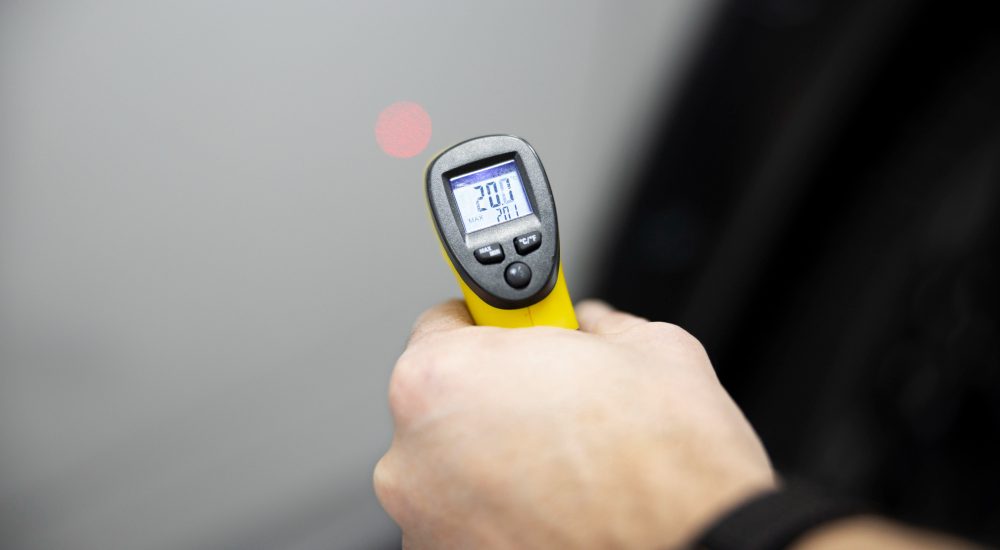
Noise measurement is the process of determining the level of acoustic energy — i.e., sound intensity — using specialized equipment. It is essential for accurately assessing ambient noise and determining whether it complies with established standards. Proper noise regulation ensures the protection of human health and comfort in both residential and work environments.
Order Your Analysis With Us
Accurate Results · Certified Laboratory
In the modern world, particularly in urban and densely populated areas, unwanted sounds and acoustic pollution have become an inseparable part of our daily lives. Although we sometimes pay little attention to it, constant noise affects our nervous system, work capacity, and sleep quality. It is often called the “invisible enemy,” because its negative effects accumulate over time and manifest as serious problems.
That is precisely why professional noise measurement is the first and most important step toward eliminating acoustic discomfort. In this article, we will examine in detail why this process is critically important, what technologies are used today, and how the law protects us from unwanted acoustic environments.
Why Is Noise Measurement Important?
Many people believe that sounds in the environment are only a temporary inconvenience. However, scientific research proves the opposite. Noise measurement helps us precisely determine the level of risk and take appropriate measures. Let us look at the main reasons why this procedure is necessary:
- Health Protection and Stress Prevention: According to the latest data from the World Health Organization (WHO), above-normal and persistent noise is not merely a source of discomfort for the ears — it poses a serious threat to the body. Acoustic pollution causes excessive secretion of stress hormones (such as cortisol), which over time leads to cardiovascular disease, elevated blood pressure, and chronic sleep disorders. For personnel working in industrial zones, factories, or heavy manufacturing, prolonged and intensive acoustic exposure can cause partial or complete, irreversible hearing loss.
- Legal Compliance and Business Safety: For commercial establishments such as cafes, bars, nightclubs, restaurants, construction sites, and industrial facilities, noise regulation is strictly defined by law. Violation of applicable standards results not only in substantial financial penalties but, in some cases, in the temporary or complete suspension of operations. Professional noise measurement helps business owners assess risks in advance, avoid unforeseen legal disputes with neighbors or state regulatory authorities, and ensure uninterrupted operation of their facility.
- Increased Labor Productivity and Concentration: In modern office spaces — particularly those following the so-called “Open Space” concept — excessive noise is one of the main disruptive factors. Background sounds from conversations, phone calls, and office equipment significantly reduce employees’ ability to concentrate, cause rapid fatigue, and increase the risk of making mechanical errors. Accordingly, ensuring acoustic comfort in the work environment is directly and closely linked to team productivity and the company’s overall success.
- Increase in Real Estate Market Value: Today, consumer expectations regarding commercial or residential spaces have grown considerably. Prospective buyers frequently request an acoustic audit of a building when purchasing (or renting) a new apartment or office space. The presence of high-quality sound insulation and pre-conducted, verified measurements on the property indicate premium building quality, which automatically increases its competitiveness and market value.
How Noise Measurement Is Conducted: Modern Technologies
In order for data to be reliable and legally valid, noise measurement must be carried out with high-precision, calibrated instruments. The human ear is subjective — what is mere background noise for one person may be unbearable noise for another. For this reason, the process uses decibels (dB), which is the unit of measurement for sound pressure level.
Key Instruments:
- Sound Level Meter: This is the most common instrument, which captures sound pressure via a microphone and converts it into an electronic signal. Professional devices use the so-called A-filter (dBA), which most closely approximates the way the human ear perceives sound.
- Acoustic Dosimeters: These devices are primarily used for occupational safety purposes. An employee wears a dosimeter throughout an entire work shift so that individual noise measurement can be conducted and the cumulative acoustic exposure level can be determined.
- Octave Band Analyzers: Sometimes knowing only the overall sound intensity is not enough. For example, low-frequency noise (the hum of heavy machinery or ventilation) requires an entirely different type of insulation than high-frequency sounds. This equipment breaks sound down into frequency bands and helps us precisely identify the source of the problem.
It should be noted that noise measurement is not simply a matter of pressing a button. The specialist must take into account factors such as room size, reflective surfaces, background sounds, wind speed (in outdoor measurements), and even humidity.
Noise Regulation and Legislation
In the civilized world, and likewise in Georgia, acoustic pollution is regulated by law. Noise regulation aims to protect the public from excessive discomfort and to set clear boundaries for business operators.
Permissible Standards and Zoning
Standards differ according to the time of day and the type of territory. As a rule, two main periods are distinguished:
- Daytime hours: (typically from 08:00 to 23:00). During this period the permissible limit is relatively higher, as the city is in its active phase.
- Nighttime hours: (from 23:00 to 08:00). During this period, noise regulation is particularly strict. In residential zones, the permitted standard drops sharply (in many cases to 30–40 decibels).
The location of the facility also matters greatly. In the vicinity of hospitals, schools, and recreational parks, noise regulation sets a significantly lower threshold than in industrial or commercial zones. When there is a suspicion of a standards violation, noise measurement is officially conducted, on the basis of which a corresponding protocol is drawn up. If the reading exceeds the established limit, a warning is issued at the first stage, and in the event of a repeat violation — a monetary fine is imposed, which increases each time.
How to Choose a Company for Noise Measurement?
If you represent a business seeking to ensure legal compliance, or you are a citizen disturbed by noise coming from a neighboring facility, you are likely currently in the process of looking for a service provider. In order to obtain an accurate and legally valid result, pay attention to the following criteria:
- Equipment Certification and Calibration: This is the most important factor. If noise measurement is conducted with uncalibrated (i.e., non-standardized) equipment, no official authority will accept its results. Ask for information about the class of equipment the company uses.
- Experience and Qualifications: The process requires an in-depth knowledge of physics, acoustics, and legislation. The expert must know exactly where to position the microphone, for how long to conduct observations, and how to eliminate external, irrelevant background noise (for example, the sound of a passing car).
- Comprehensive Report: Upon completion of the measurement, you should receive not merely numbers, but an official conclusion that details the current situation and provides a comparison against what the applicable noise regulation requires.
- Problem-Solving Guidance: The best companies do not merely identify the problem — they also provide recommendations for sound insulation (what materials to use, how to modify the ventilation system, etc.).
In conclusion, we can say that noise is one of the serious challenges of our era, which requires attention and management. Creating a comfortable living and working environment is no longer a luxury — it is a necessity for physical and mental health.
Remember that ignoring a problem is never a solution; timely action and an accurate acoustic audit will save you both time and money, and spare you unnecessary stress.
Do you need precise determination of noise levels at your facility?
Don’t put off solving the problem — trust the professionals!
Call us today and receive a full consultation: 599 27 00 49